
At the global debut of the Syros compact SUV, Kia India’s MD and CEO, Gwanggu Lee, underscored the importance of interior space over exterior aesthetics in appealing to Indian buyers. “People may ignore the radical design for a spacious cabin,” Lee told Autocar India, emphasising the Syros’ focus on practicality and family-friendly features.
- Kia Syros’ tall-boy design maximises practicality and space
- Follows the same design philosophy as Kia’s own Soul and Maruti’s Wagon R
- Diesel powertrain, features list and eventual EV to also help Syros stand out
Kia Syros tall boy design philosophy
The Syros, which measures 3,995mm in length, 1,800mm in width, and 1,665mm in height, with a wheelbase of 2,550mm, is 10mm wider, 55mm taller, and has a 50mm longer wheelbase than its sibling, the Kia Sonet. These changes translate into a cabin that is not only roomier but also boasts a 20 percent larger boot capacity, at 465 litres. Positioned above the Sonet, the Syros combines the tax benefits of sub-four-metre cars with class-leading rear-seat space – enough to rival the larger, 4.3-metre Kia Seltos.
Lee explained the strategic thinking behind this approach: “The Syros has potential because of its size. The Sonet segment has much more demand than that of the Seltos (over 4 metres length). As the Indian economy, including the middle class, is growing, there is a chance for new customers in the compact SUV segment. Maximizing interior space particularly benefits families and kids the most. We have to make the customer feel comfortable in the interior.”
The Syros also builds on the “tall-boy” design philosophy that defined the success of vehicles like the Hyundai Santro and Maruti Suzuki Wagon R. This upright design ensures excellent headroom, easy ingress and egress, and an airy cabin—qualities that appeal to families and taller passengers alike. While its unconventional shape may not suit all tastes, Kia believes the trade-off is justified by its practical benefits.
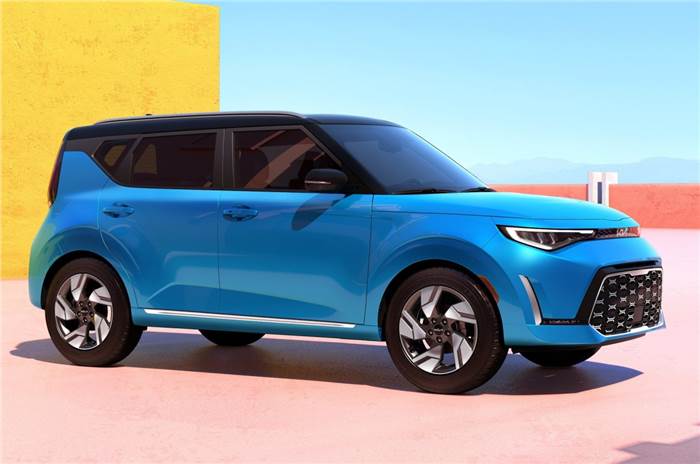
The Korean brand has the Soul crossover on sale in markets abroad – in ICE and all-electric form – which follows a similar design philosophy, using vertical space to maximise interior room. The 4.2 metre-long model was under consideration for an India launch a few years ago, and even the name was registered here. Kia also showcased the third-gen Soul EV at Auto Expo 2020 to gauge response, but has decided to enter the more lucrative compact SUV segment with the Syros instead.
Kia Syros variants, features
To enhance its appeal further, the Syros comes loaded with premium features. These include dual 12.3-inch displays for infotainment and instrumentation, reclining and ventilated rear seats, a panoramic sunroof, dual dashcams, and Level 2 ADAS. Notably, Kia has opted to start the Syros lineup with the HTK variant, skipping the entry-level HTE, making even the base model well-equipped.
Kia Syros diesel, EV powertrains
Another standout feature is Kia’s decision to continue offering a diesel powertrain which is uncommon in the segment as many manufacturers offer only petrol. A diesel option caters to long-distance commuters who value diesel’s efficiency and torque. Like Kia’s tall-boy abroad, the Soul, the Korean brand will bring an all-electric version to the Indian market as well.
Lee summed up the Syros’ unique positioning: “When the kids grow up, they may move to the larger Seltos. Whereas, Sonet focuses more on individual buyers.” With its bold design, tall-boy practicality, and premium features, the Syros is poised to carve a unique niche in India’s compact SUV market, catering to families who value space and comfort. The key question that remains unanswered for now is the price.
Also see: